 As part of the SmartSocks®DISCOVERY Pioneers Competition, we are showcasing researchers whose work is expanding how wearable technology can support inclusive, real-world health research.
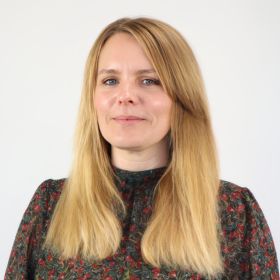
In this post, we meet Tam Watermeyer, a neuropsychology researcher at Northumbria University, Newcastle, whose project explores whether continuous, real-world monitoring of movement and activity using SmartSocks® can provide earlier and more equitable indicators of cognitive and functional change. Her work focuses particularly on adults with learning disabilities, a population at significantly higher risk of dementia but often under-served by traditional assessment approaches.
What is your main area of research?
My core area of research is neuropsychology across the lifespan, with a particular focus on dementia caused by neurodegeneration. I am especially interested in under-served populations, such as people with learning disabilities, women, veterans and global majority or ethnic minority populations. This includes developing better ways to detect early cognitive and functional change, understanding risk and protective factors, and designing accessible, real-world assessments and interventions that improve detection, prevention and quality of life.
How would you describe your research to someone outside your field?
I have broad interests in brain and cognitive health, especially how we can spot brain and cognitive changes earlier and more fairly in people for whom standard tests don’t work well. For example, many dementia tools were designed for highly educated adults without disabilities, which means early signs are often missed in these populations. The goal is to move away from stressful clinic-based testing and toward earlier, more personalised, and more humane care, using a bio-psycho-social approach.
What originally drew you to this area of research?
Early in my career, I worked with adults with learning disabilities who were clearly experiencing cognitive decline, but for whom no appropriate tools or pathways existed. Their changes were often dismissed as “baseline,” and support arrived far too late. That gap between need and provision stayed with me. It led me to focus my research on making cognitive science work for real people, particularly those who are overlooked by conventional approaches.
Who else is involved in your research group or project?
For this particular project with SmartSocks®, Riona McArdle at Newcastle University brings a wealth of experience with digital biomarkers and public and patient involvement. More broadly, the research programme is supported by cognitive neuroscientists, Joe Butler (Sunderland University) and one of my mentors, Mario Parra-Rodrigues (Strathclyde University). Dr Chinedu Udeh-Momoh, WakeForest and Sheffield Universities advises on disease biomarkers and Dr Eimear McGlinchey of Trinity College Dublin supports as population expert. Of course, the research programme would not exist without outstanding support from learning disability organisations, such as the Lawnmowers Theatre Production Company and Border Links, whose members have really helped shape the research design and outcomes. No new tool enters our protocol without their sign off.
What research question or problem are you investigating through the Pioneers Competition?
We’re interested in whether continuous, real-world monitoring of movement and activity patterns can provide early, sensitive markers of cognitive and functional change, in adults with learning disabilities. The first phase to put this to the real experts – people with or supporting someone with a learning disability – through focus groups. The next stage will be to integrate the SmartSocks® into our broader protocol that includes digital cognitive assessments and other markers of biological disease and mobility.
Why is this research important, and who could it ultimately benefit?
People with learning disabilities, particularly those with Down syndrome, are at much higher risk of developing dementia, yet are often diagnosed late or inaccurately. This work could enable timelier support and planning and reduce distress for individuals and families by improving access to appropriate care pathways and offering personalised interventions. Ultimately, this research could benefit people with learning disabilities, carers, clinicians, and service providers, while also informing dementia research in the wider population.
What appealed to you about using SmartSocks®DISCOVERY for this project?
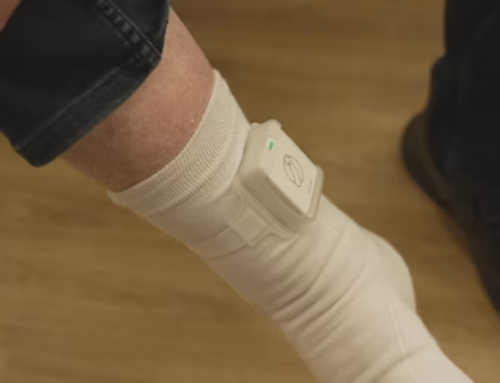
SmartSocks®DISCOVERY offers a non-invasive, low-burden way to collect meaningful functional data in everyday settings. That is crucial for people with learning disabilities, for whom frequent testing or clinic visits can be stressful or impractical. The technology aligns closely with my research philosophy: meet people where they are, rather than forcing them into systems that don’t fit.
Are there any particular features of SmartSocks®that you’re especially excited to explore?
I am particularly excited by the ability to examine subtle changes in gait, activity, and daily rhythm as well as sleep over time. These functional markers are highly relevant to both dementia and Parkinson’s disease, yet are rarely captured in learning-disability research. The longitudinal, real-world nature of the data opens up new possibilities for early detection, monitoring progression, and evaluating interventions.
How could your findings influence future research, care, or clinical practice?
If successful, this work could support a shift toward continuous, function-based monitoring as a complement to existing dementia assessment pathways, enabling earlier and more accurate identification of cognitive change and more personalised, anticipatory care planning for people with learning disabilities. By reducing reliance on standardised cognitive tests that are often poorly suited to this population, the findings could improve diagnostic equity and clinical confidence. Crucially, as the NHS accelerates digital transformation, this research could show how inclusive, low-burden technologies can be integrated into care in ways that avoid leaving people with learning disabilities behind, helping ensure that digital innovation narrows rather than widens health inequalities.
When you’re not researching, how do you like to spend your time?
I recently became a mom, so right now I like spending all my time with my newborn. However, I am also a dogmum, and love going on walks and being in nature and being with my family. Travelling around Scotland in a campervan is my idea of bliss.